
Agbaja Iron Ore Project Set to Boost Nigeria’s Steel Industry, Create Jobs – Macro Metals
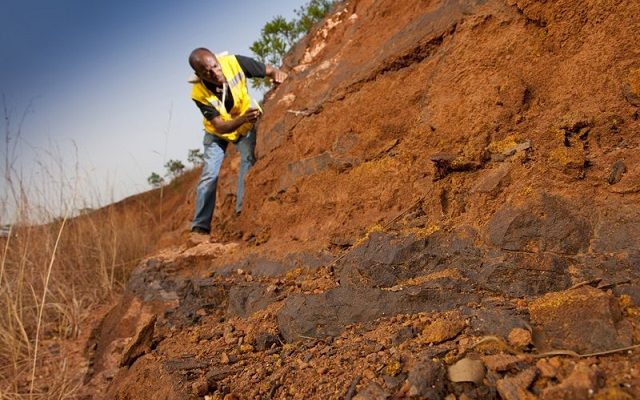
Macro Metals says the Agbaja Iron Ore Project in Kogi could transform Nigeria’s steel industry, create jobs, and reduce reliance on imports as it seeks new investors.
The Agbaja Iron Ore Project in Kogi State has been described as a potential game-changer for Nigeria’s steel industry, with capacity to boost domestic production, create jobs, and reduce the country’s dependence on imported steel.
Managing Director of Macro Metals Limited, Mr. Simon Rushton, disclosed that the project, once fully developed, could significantly impact both the local economy and the broader industrial landscape of Nigeria. He noted that beyond its economic value, the project is expected to generate substantial employment opportunities for host communities and the state at large.
According to Rushton, the initiative is designed around an integrated steel production model that will convert iron ore deposits in Agbaja into steel billets for local consumption. This aligns with Nigeria’s long-standing goal of strengthening domestic manufacturing and reducing reliance on foreign steel imports.
He explained that the project has already progressed through critical technical stages, including detailed drilling, metallurgical testing, and the establishment of a JORC-compliant mineral resource. These processes, he said, have confirmed both the viability of the ore body and the financial potential of the investment.
“Our work has taken the project beyond speculation. We now understand the geology, the processing pathway, and the economic fundamentals. The next phase is to bring in the right investor to execute construction and operations,” Rushton stated.
Macro Metals, an Australian-listed company formerly known as Kogi Iron Limited, has invested approximately 70 million Australian dollars into the project through acquisition and development activities. However, the company is now pursuing a strategic divestment, seeking a capable partner or buyer to take over full development.
The divestment plan involves the sale of shares in its subsidiaries—KCM Mining Limited in Nigeria and KCM Mining Holdings in Australia—which together hold full ownership of the Agbaja project and its associated licences. While a complete sale remains the preferred route, Rushton indicated that alternative partnership structures could be considered if commercially viable.
He added that the company is particularly interested in attracting an African or Nigerian investor, citing the importance of local ownership in driving sustainable development and ensuring that the benefits of the project are retained within the region.
Industry data from the project’s scoping study indicates that the Agbaja deposit contains an estimated 586.3 million tonnes of iron ore with an average grade of 41.3 per cent iron (Fe), sufficient to support a multi-decade mining operation. The proposed development plan features an open-pit mine linked to an on-site steel billet plant, creating a fully integrated production chain.
Financial projections further underscore the project’s attractiveness. With an estimated capital requirement of about 557 million dollars, the project is expected to deliver strong returns, including an internal rate of return of approximately 33 per cent after tax and a projected payback period of four years from commencement.
Rushton acknowledged that the Agbaja ore grade is relatively lower than globally traded benchmarks but stressed that existing steelmaking technologies can effectively address this through established processing methods. He pointed out that specific challenges, such as phosphorus content in the ore, can be managed during refining without compromising final product quality.
He also highlighted the project’s competitive advantage, noting that producing steel locally eliminates the high cost of importing iron ore and finished steel products. According to him, the cost of feeding iron ore into the plant is significantly lower than what international steel producers would incur when sourcing raw materials from global markets.
“The economics are compelling. Producing steel domestically allows Nigeria to avoid the high cost of imports and strengthens industrial self-sufficiency,” he said.
The Agbaja project is widely seen as aligning with Nigeria’s broader economic diversification agenda, particularly efforts to develop the solid minerals sector and expand local manufacturing capacity. Stakeholders believe that, with the right investment and execution, the project could play a central role in revitalising Nigeria’s steel industry and driving long-term industrial growth.