

Niger Delta Leaders Back Tantita Pipeline Security, Urge Tinubu to Resist Revocation Pressure
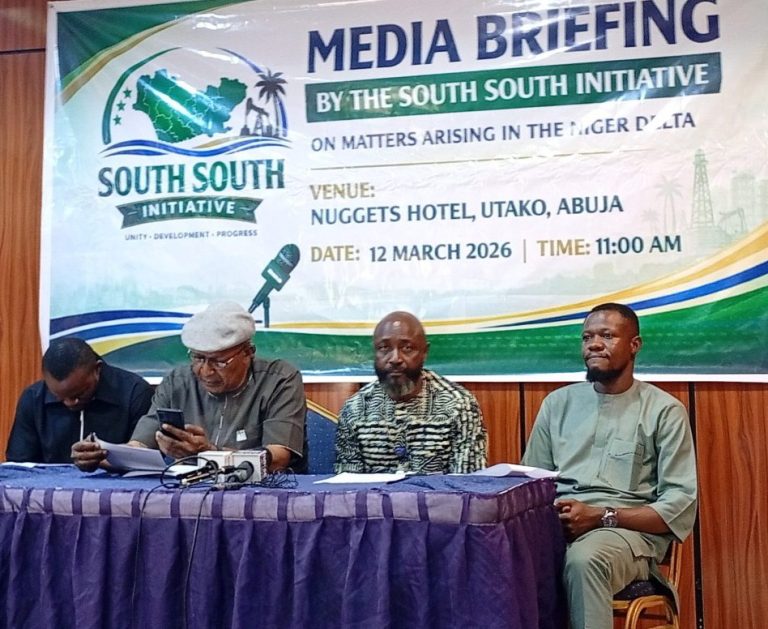
A coalition of Niger Delta stakeholders under the South South Initiative has expressed strong support for the ongoing pipeline security arrangements handled by Tantita Security Services, Maton Engineering Services, and other indigenous surveillance companies, urging President Bola Tinubu to resist external pressure to revoke the contracts.
Addressing journalists on Thursday in Abuja, Emmanuel Iriogbe, President of the initiative, highlighted the critical role of community-driven security frameworks in stabilizing the Niger Delta’s oil infrastructure. He recalled that prior to the engagement of indigenous contractors, Nigeria suffered massive losses from pipeline vandalism, illegal bunkering, oil theft, and organized criminality—draining resources that could have funded national development projects, education, healthcare, and infrastructure.
“The turning point came when successive federal administrations, beginning with President Goodluck Jonathan, adopted a community-focused approach, engaging local surveillance companies with deep knowledge of the terrain and local communities,” Iriogbe stated. “This strategy has restored stability, improved production monitoring, and allowed the government to plan budgets based on reliable data.”
He defended Tantita Security Services and other local firms against what he described as a coordinated campaign of misinformation and blackmail aimed at undermining their achievements.
“Corruption, particularly in oil bunkering, is fighting back,” Iriogbe said. “Those who profited from past chaos are uncomfortable with the new order. Their objective is simple: destabilize the system that has reduced their illegal profits. We cannot entrust our resources to forces whose only agenda is corruption and collusion with illegal refineries.”
The South South Initiative called for caution in handling allegations against the security framework and urged the Federal Government to maintain the progress made in pipeline surveillance. Iriogbe suggested that if necessary, the government should form an independent delegation to verify the claims, emphasizing transparency and public confidence.
He also clarified that multiple surveillance contractors operate across the Niger Delta and warned against portraying the system as monopolistic.
“Various traditional authorities and regional stakeholders are responsible for monitoring different corridors. Attempts to suggest otherwise are misleading,” he added.
The group concluded by urging President Tinubu to remain strategic and steadfast, protecting the gains of pipeline security initiatives that have restored safety, stabilized oil production, and supported community development in the Niger Delta.