
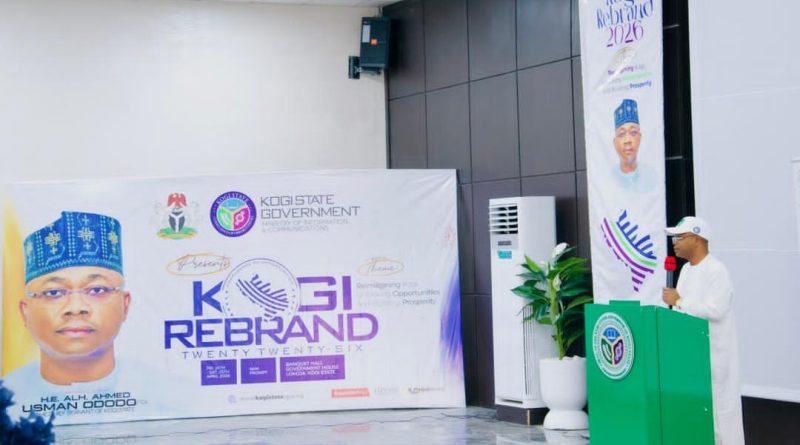
Kogi Rebrand 2026: Gov. Ododo Launches Reforms, Rural Development Drive, and Information Officers Training (Pictures)
Governor Ahmed Usman Ododo has reaffirmed his commitment to transparent governance, rural transformation, and sustainable development as Kogi Rebrand 2026 enters full swing with strategic reforms and intensive training for state information officers.
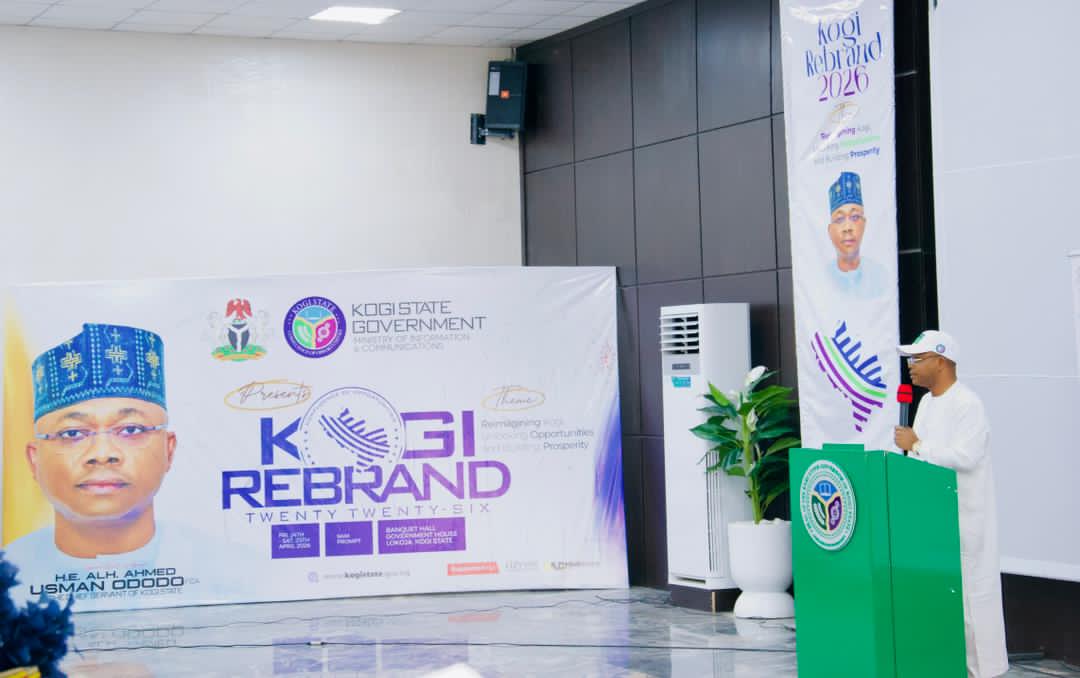
The Kogi State Government has launched an ambitious governance and communication reform agenda under the Kogi Rebrand 2026 initiative, with Governor Ahmed Usman Ododo reaffirming his administration’s commitment to transparency, inclusiveness, and sustainable development, while unveiling strategies to position the state as a leading destination for investment, innovation, and economic growth.
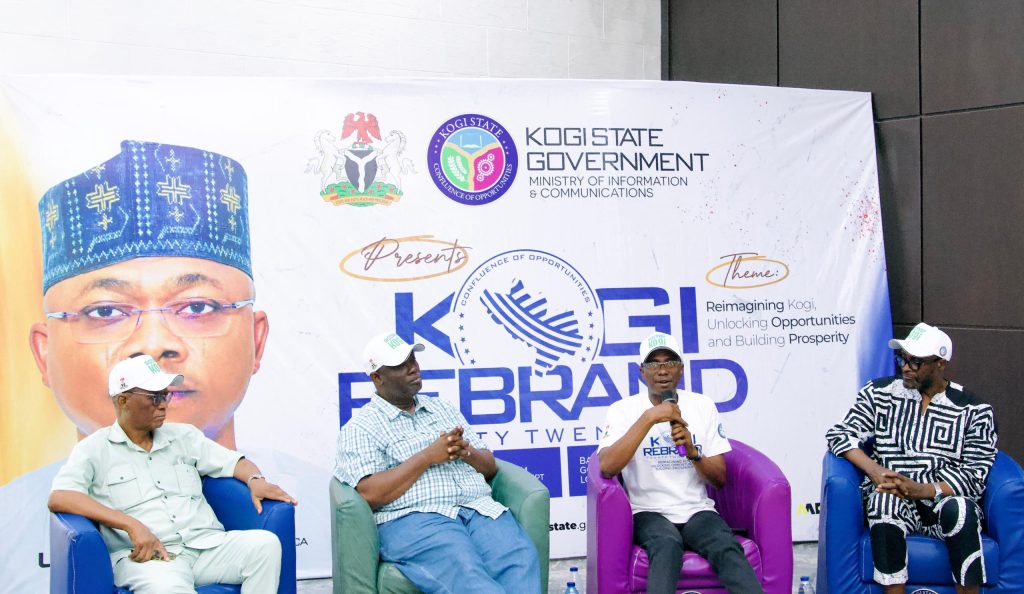
The two-day programme, themed “Reimagining Kogi: Unlocking Opportunities and Building Prosperity,” brought together government officials, policy experts, development stakeholders, and information officers in Lokoja to articulate the state’s new vision for governance, public communication, and infrastructural advancement.
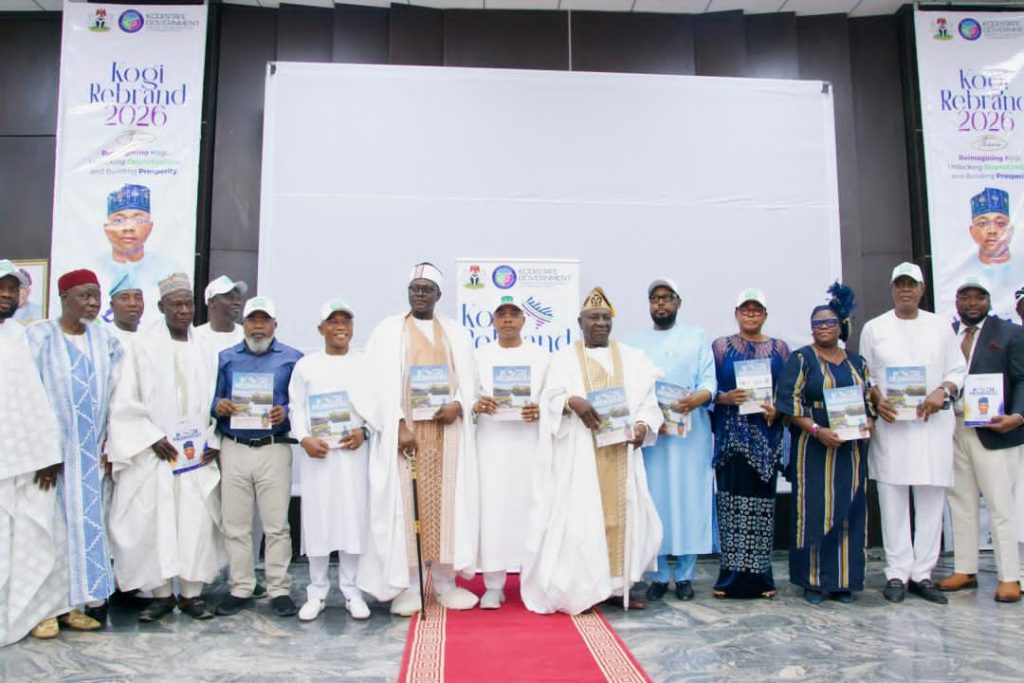
Speaking at the opening ceremony on the first day, Governor Ododo said the rebranding initiative reflects the core philosophy of his administration — placing the people at the centre of governance while ensuring that public policies translate into measurable progress.
According to the governor, the Kogi Rebrand project is beyond changing narratives, stressing that it is aimed at aligning public perception with the realities of governance reforms and strategic investments already taking place across the state.
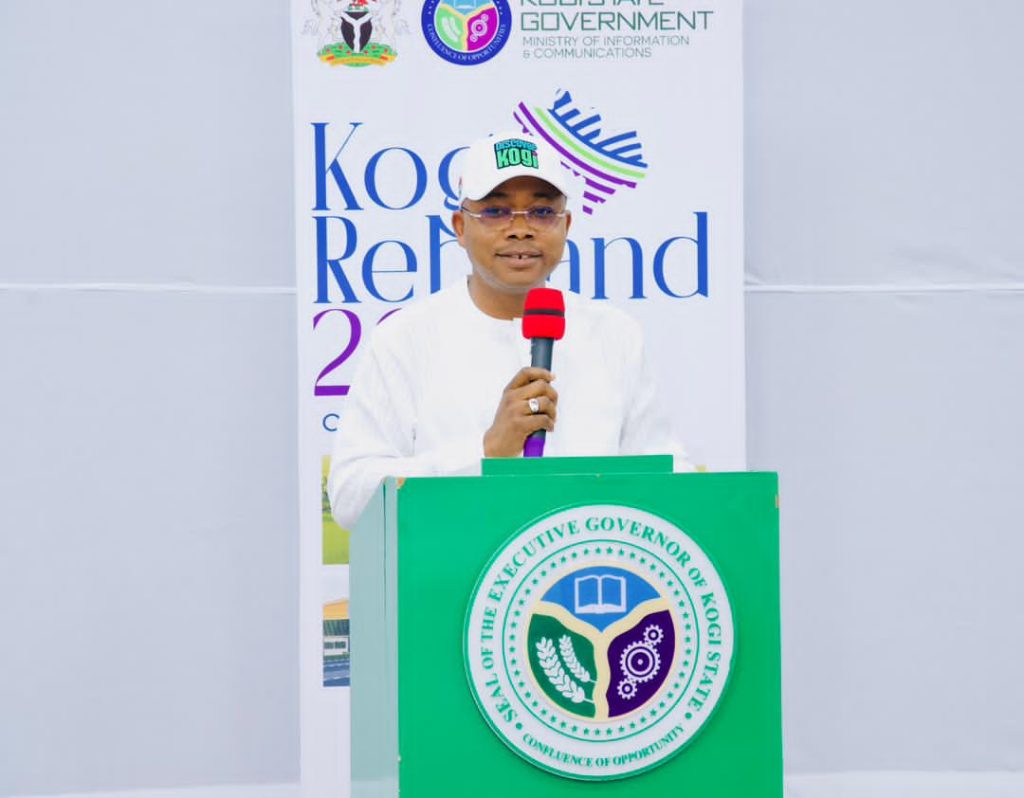
He highlighted ongoing interventions in infrastructure, healthcare, education, agriculture, and the solid minerals sector, noting that the government is opening up rural and urban communities, strengthening public institutions, and unlocking economic opportunities capable of creating jobs and improving livelihoods.
Governor Ododo also underscored the strategic role of communication in governance, stating that accurate and professional reportage of government programmes by Ministries, Departments, and Agencies would help citizens understand policy directions and deepen public trust.
He described state information officers as “custodians of truth and ambassadors of government performance,” urging them to embrace professionalism, patriotism, and factual reporting in carrying out their responsibilities.
The governor expressed appreciation to President Bola Ahmed Tinubu for what he described as visionary leadership at the federal level and reiterated Kogi State’s alignment with the administration’s national development agenda.
Former Deputy Governor of Kogi State, Arch. Yomi Awoniyi, who chaired the occasion, commended the initiative, saying the state possesses enormous economic and cultural potential that must be strategically projected to investors and development partners.
Awoniyi noted that Kogi’s abundant opportunities in commerce, agriculture, and natural resources can only be fully harnessed through a deliberate effort to communicate the state’s strengths and reform agenda.
In his remarks, the Commissioner for Information and Communications, Kingsley Femi Fanwo, described Kogi Rebrand 2026 as a turning point in the state’s efforts to reclaim its rightful image in national discourse.
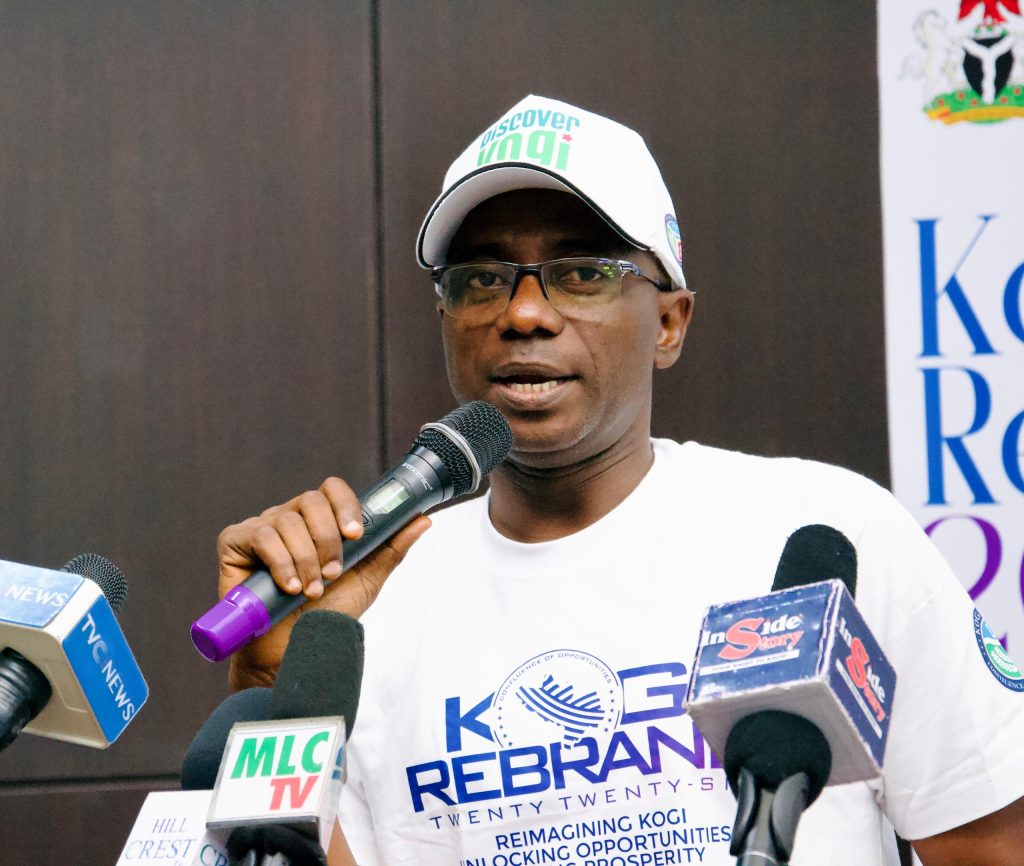
Fanwo said the state has witnessed notable improvements in governance and public service delivery under Governor Ododo, stressing that the Ministry of Information is committed to telling the Kogi story with professionalism, strategic intent, and consistency.
He said the ministry would go beyond routine government publicity to actively shape positive perceptions of the state while maintaining credibility and ethical standards in public communication.
Also speaking, the Lead Consultant of Lizy Water Nigeria Limited, Majeed Dahiru, described Governor Ododo as a focused and compassionate leader whose governance style reflects empathy, humility, and dedication to public welfare.
Dahiru noted that the governor’s efforts in securing lives and property, alongside sectoral reforms, have laid the foundation for inclusive growth and improved investor confidence.
The first day of the programme also spotlighted the administration’s economic and governance reforms, with presentations detailing how fiscal discipline, institutional efficiency, technological innovation, and people-centred budgeting are being deployed to drive sustainable development.
Officials outlined how Kogi State has improved internally generated revenue through digital reforms, strengthened accountability in budget implementation, enhanced public-private partnerships, and expanded support for entrepreneurs, farmers, women, and youth across the state.
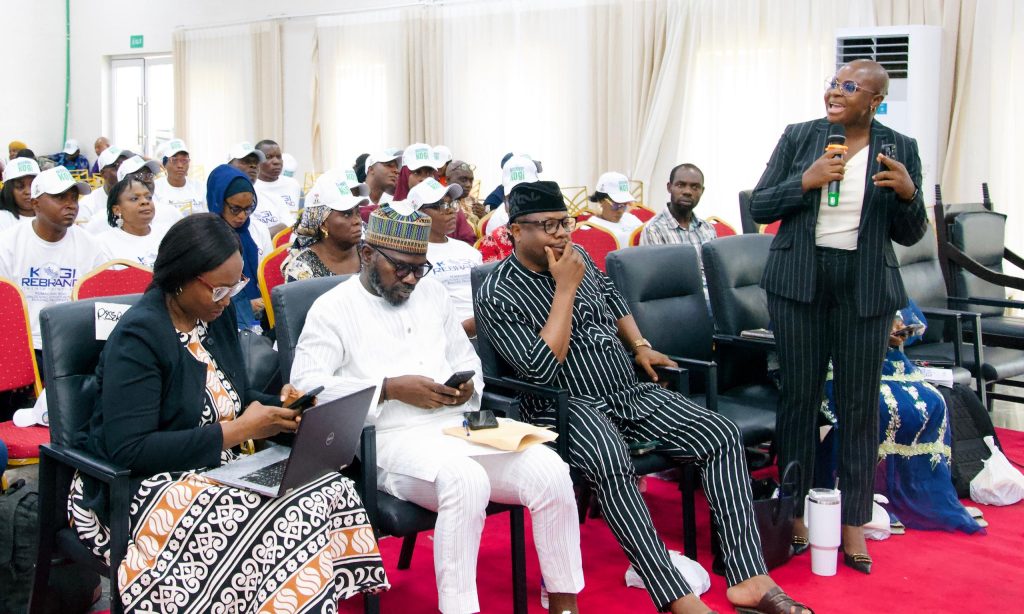
The government further showcased its rural transformation agenda through strategic investments in electricity infrastructure, renewable energy, road development, and market construction.
Under the Ministry of Rural and Energy Development, the state has installed over 120 distribution transformers, deployed solar hybrid systems in critical locations, and commenced the construction of rural markets and farm-to-market roads aimed at stimulating commerce and improving living standards in rural communities.
The administration said these interventions are designed to improve access to electricity, support agricultural productivity, and create sustainable opportunities for economic participation.
On the second day of the programme, the state government intensified efforts to strengthen institutional communication by organising a capacity-building workshop for State Information Officers, focusing on efficiency, effectiveness, and transparency in reporting.
The training covered critical topics such as strategic communication, misinformation and disinformation management, public perception alignment, and implementation of the Kogi rebranding vision.
Declaring the training open, the Secretary to the Kogi State Government, Mrs. Folashade Arike Ayoade, said rebranding Kogi requires collective responsibility and active participation from all stakeholders, not just information officers.
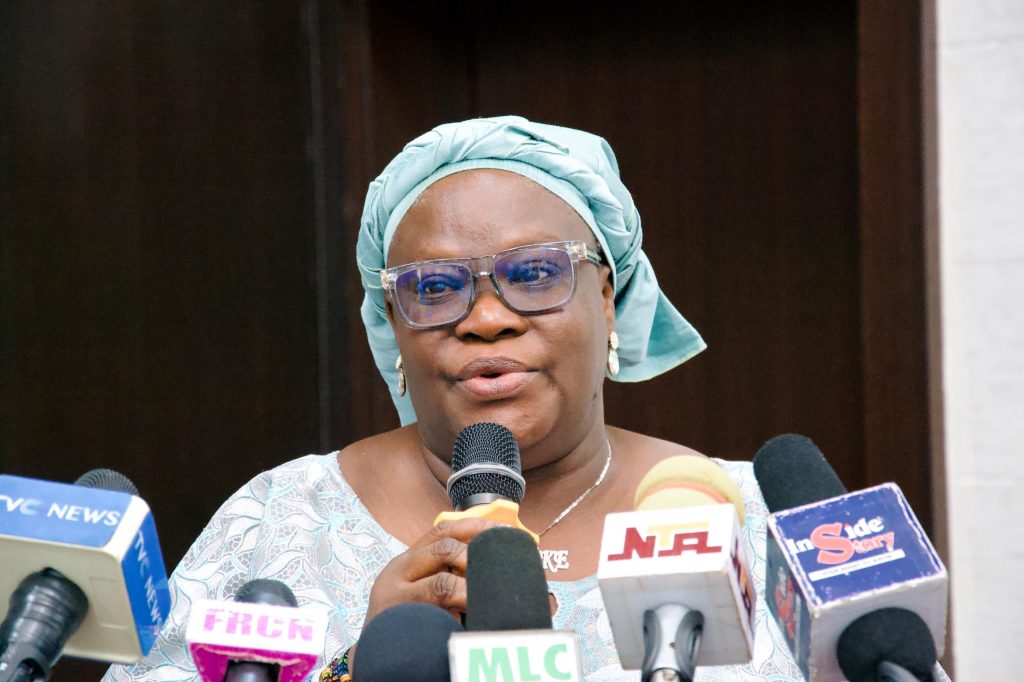
She urged citizens both within and outside the state to support the administration’s efforts in projecting Kogi positively, stressing that unity, innovation, and shared responsibility remain essential for achieving long-term prosperity.
Commissioner Fanwo commended the information officers for their role in reporting government activities and representing the state in the public space, assuring them of improved institutional support.
Consultant Majeed Dahiru called for stronger collaboration between commissioners and information officers, advocating better welfare packages to enhance professional performance.
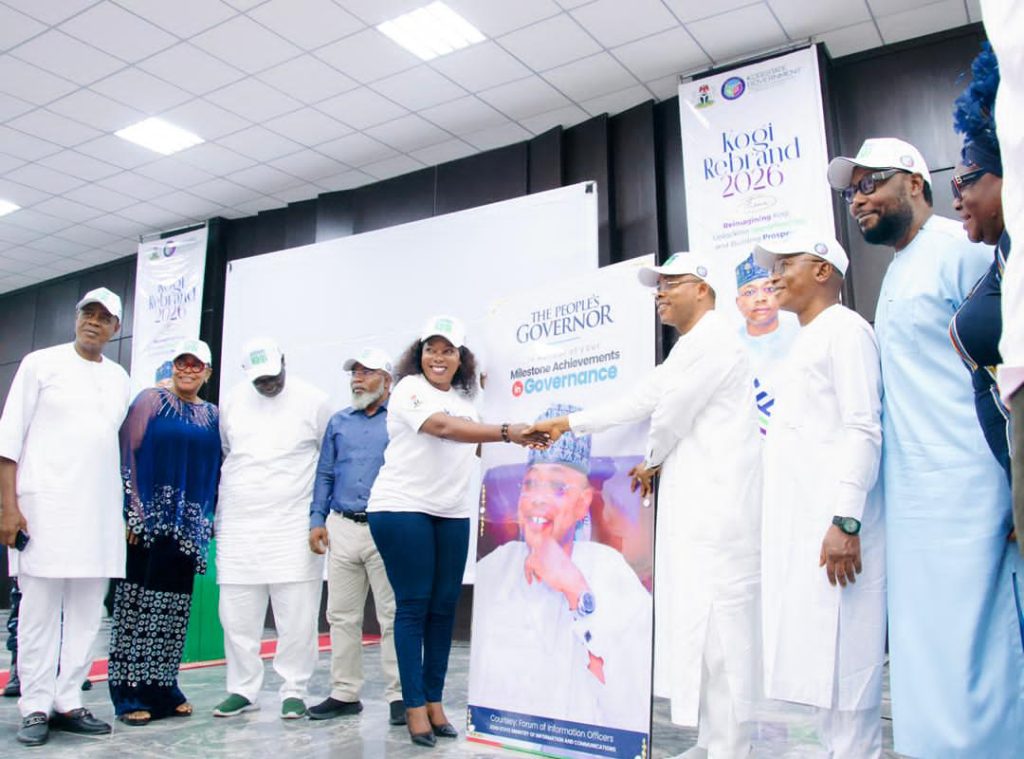
One of the resource persons, Mr. Ismail, charged the officers to bridge the communication gap between government and the public by delivering accurate, credible, and timely information.
He noted that public communication is not merely administrative but strategic, adding that effective communication builds trust, shapes public perception, and strengthens democratic governance.
The two-day Kogi Rebrand 2026 programme ended with renewed optimism among participants, as the government reaffirmed its resolve to build a state anchored on good governance, institutional efficiency, sustainable growth, and a positive global image.
For many stakeholders, the initiative marks a defining moment in Kogi State’s effort to reposition itself as a model of economic resilience, credible governance, and shared prosperity, with communication and rural transformation at the heart of the administration’s development blueprint.