
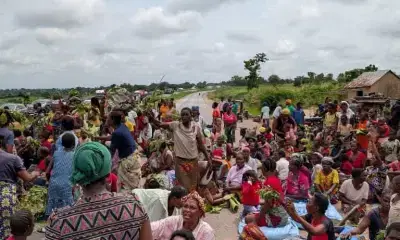
Insecurity Crisis: Over 3.7 Million Nigerians Displaced, Living in Nearly 3,900 IDP Camps
Insecurity Crisis: Over 3.7 Million Nigerians Displaced, Living in Nearly 3,900 IDP Camps
Nigeria’s worsening insecurity has forced millions of citizens from their homes, with recent data indicating that about 3.7 million Nigerians are now living in nearly 3,900 internally displaced persons (IDP) camps and settlements across the country.
The large-scale displacement reflects the severe humanitarian toll of prolonged insecurity linked to banditry, terrorism, communal conflicts and other violent attacks affecting several regions of the country.
Reports indicate that thousands of communities have been forced to abandon their homes over the years as armed groups continue to attack villages, destroy property and abduct residents. In many cases, affected populations flee to neighbouring towns and cities where temporary camps have been established to accommodate them.
The displacement crisis has been particularly severe in northern Nigeria, where communities frequently experience violent raids by armed bandits and insurgent groups.
For instance, data from the Zamfara State Ministry of Humanitarian and Disaster Management shows that over 276,000 people have been displaced in the state alone, with many of them living in nine major IDP camps.
Authorities disclosed that at least 107 villages in Zamfara State were overrun by bandits between 2009 and 2026, forcing thousands of residents to flee to safer locations, including the state capital, Gusau.
Humanitarian experts warn that the growing population of internally displaced persons is placing enormous pressure on available resources, including food supply, shelter, healthcare services and sanitation in many camps.
Across Nigeria, IDP camps are meant to provide temporary shelter for people forced to flee their homes due to conflict or disasters while remaining within the country’s borders. However, many camps struggle with overcrowding, poor sanitation and limited access to essential services.
Observers say addressing the root causes of insecurity and strengthening humanitarian support systems will be crucial to reversing the rising displacement crisis and enabling affected communities to safely return to their homes..