

FTH Lokoja, i-CCARE Hold 6th Prostate Cancer Support Group Meeting, Advocate Early Detection and Mental Health Support
The Federal Teaching Hospital (FTH) Lokoja, in partnership with the i-CCARE Consortium for Black Men, has held its sixth monthly prostate cancer support group meeting, promoting early detection, mental health support, and stronger social networks for patients.
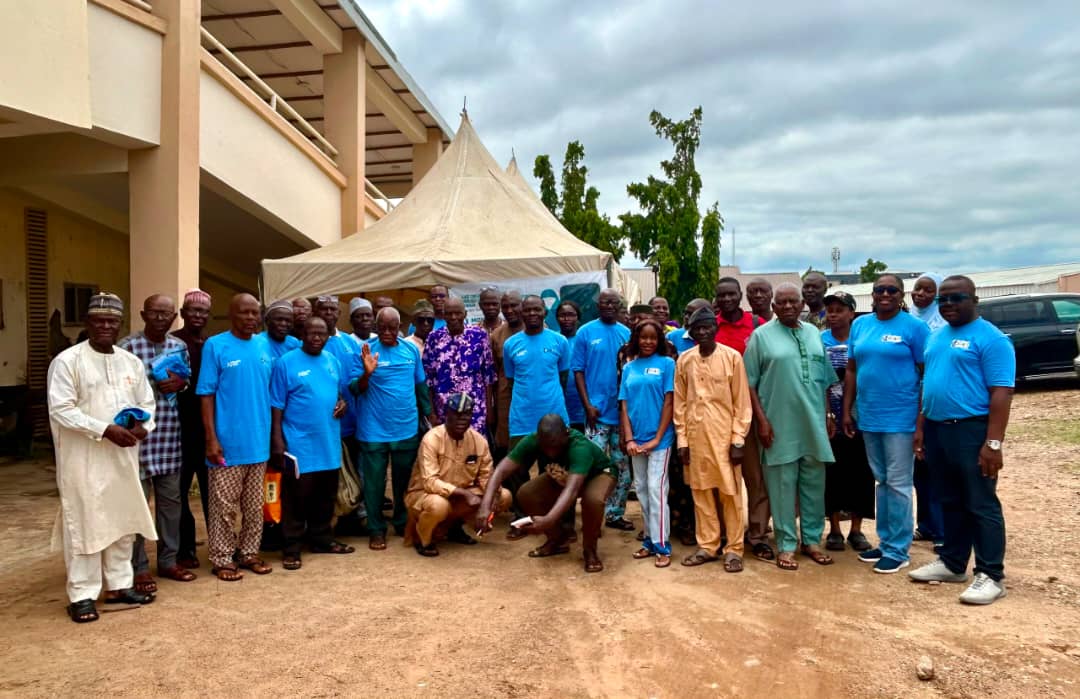
The Inclusive Cancer Care Research Equity (i-CCARE) Consortium for Black Men, in collaboration with the Urology Unit of the Federal Teaching Hospital (FTH), Lokoja, has reinforced efforts to tackle prostate cancer stigma and improve patients’ quality of life through its sixth monthly support group meeting.
The programme, held in Lokoja, forms part of an ongoing research initiative jointly supported by the i-CCARE Consortium for Black Men and the Cancer of the Prostate Transatlantic Consortium (CaPTC), organisations founded by Professor Folakemi Odedina, a renowned hemato-oncology specialist at the Mayo Clinic in the United States.
The initiative is designed to evaluate the impact of structured support groups on the emotional, psychological and social well-being of men undergoing treatment for prostate cancer, while reducing anxiety, depression and treatment abandonment.
Participants at the meeting reaffirmed their commitment to the fight against the disease by reciting the group’s slogan: “United Together! We Stand Strong, We Support Each Other! Together in the Fight, Together in Life.”
As part of activities marking the session, members who have consistently attended previous meetings were presented with branded T-shirts in recognition of their commitment to the programme.
Speaking during the event, the Team Leader and Principal Investigator of i-CCARE at FTH Lokoja, Dr. Ayodeji Ogunmola, said the monthly engagement has continued to make a meaningful difference in the lives of patients battling prostate cancer.
According to him, the support group has witnessed remarkable growth since its inauguration in February 2026, noting that many patients now attend the meetings voluntarily without reminders—an indication that the programme is gradually breaking the silence, fear and stigma often associated with the disease.
He explained that the initiative provides patients with accurate information, emotional support and encouragement throughout their treatment journey.
“We are addressing misinformation and reducing the stigma surrounding prostate cancer. Many men are reluctant to speak about their condition, but these meetings are helping them realise they are not alone,” Ogunmola said.
He urged men aged 45 years and above to undergo regular Prostate-Specific Antigen (PSA) screening and advised anyone with abnormal test results to seek prompt medical attention.
Describing prostate cancer as the most commonly diagnosed cancer among men and a leading cause of cancer-related deaths, Ogunmola stressed that early detection remains one of the most effective strategies for successful treatment.
He also revealed that some participants make considerable financial sacrifices each month to attend the support sessions and appealed to individuals and organisations to assist patients facing economic hardship.
The i-CCARE Team Leader commended the management of the Federal Teaching Hospital, Lokoja, led by Professor Abdulrahman Shehu, for providing an enabling environment for research activities and ensuring the sustainability of the monthly support group meetings.
He further encouraged cancer patients to participate in the Social Determinants of Health Programme under the National Cancer Care Programme (NCCP), an initiative of the Federal Ministry of Health and Social Welfare, where Professor Odedina also plays a key role.
Delivering a health talk titled “Strengthening Social Connections and Networks During Prostate Cancer Treatment,” Consultant Public Health Physician, Dr. Abimbola Adesanya, highlighted the importance of strong support systems in improving treatment outcomes.
She identified family members, friends, healthcare professionals, religious organisations and community groups as critical pillars capable of helping patients overcome stigma, access reliable information and maintain emotional resilience throughout treatment.
According to her, participants in the programme have reported improved understanding of prostate cancer, stronger social relationships and greater confidence in managing their health.
Several patients who attended the meeting expressed appreciation to the organisers, describing the monthly support sessions as life-changing.
They said the initiative has deepened their understanding of the disease, encouraged them to remain committed to treatment and reassured them that a prostate cancer diagnosis does not prevent individuals from living productive and fulfilling lives.
Many of the participants also pledged to continue attending future meetings while encouraging other men to embrace routine screening and seek early medical care whenever necessary.
The organisers reaffirmed their commitment to sustaining the programme as part of broader efforts to improve prostate cancer awareness, promote early diagnosis and enhance the overall well-being of patients through research-driven, patient-centred care.