
Kogi Begins 2027 Budget Defence as Finance Commissioner Stresses Accountability and Value for Money
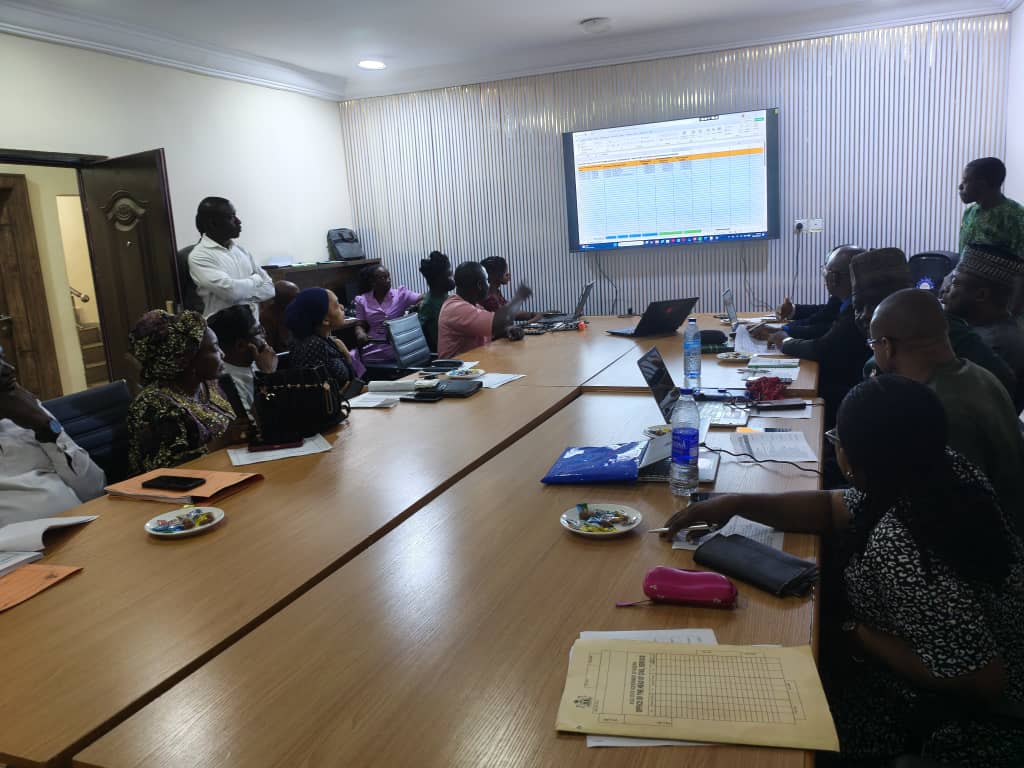
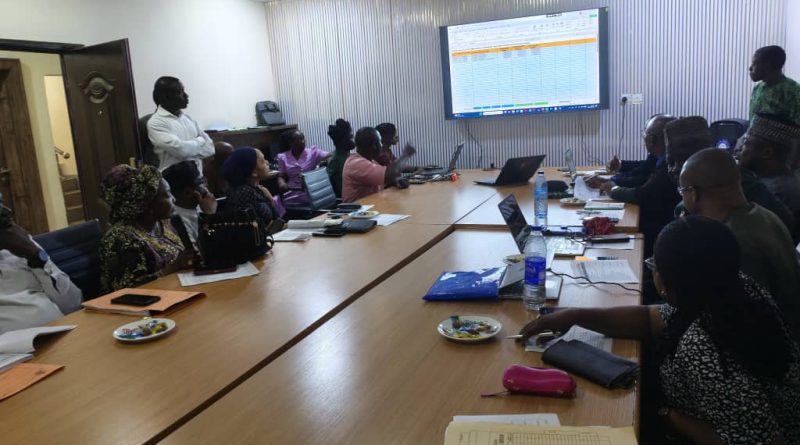
The Kogi State Government has commenced the technical defence of the 2027 budget proposals submitted by Ministries, Departments and Agencies (MDAs), with a renewed emphasis on accountability, value for money and projects capable of delivering measurable benefits to residents.
The exercise, which began on Monday, October 19, 2026, is scheduled to continue throughout the week as the government reviews proposed programmes, projects and expenditure plans to ensure that available resources are directed towards the state’s development priorities.
The Commissioner for Finance, Budget and Economic Planning, Hon. Asiwaju Asiru Idris, FCA, who was represented at the opening session by the ministry’s Permanent Secretary, Mr Philip Ochu, described the technical defence as a critical stage in preparing a realistic, responsive and result-oriented budget.
He urged participating MDAs to ensure that their budget proposals were realistic, affordable and strategically justified, stressing that proposed expenditures must align with the development priorities of the state.
Through his representative, the commissioner called for the cooperation of all participants, noting that the exercise provides government institutions with an opportunity to justify their proposed allocations and demonstrate how their spending plans would translate into tangible benefits for the people of Kogi State.
He explained that the technical defence goes beyond routine administrative procedures, serving as an important mechanism for strengthening accountability, improving budget planning and promoting the prudent management of public resources.
Idris also assured the participating MDAs that the ministry was prepared to receive clarifications and supporting information necessary for a thorough assessment of their proposals. He encouraged constructive criticism, observations and recommendations that could improve the quality and effectiveness of the 2027 budget.
Kogi Sets Criteria for 2027 Budget Proposals
Outlining the standards for evaluating the submissions, the commissioner emphasised that all budgetary requests must be consistent with the Kogi State Development Plan and remain affordable within the Medium-Term Expenditure Framework (MTEF).
He further stated that proposals must reflect priorities established through the Medium-Term Sector Strategies (MTSS) and demonstrate the capacity to deliver measurable public benefits.
According to him, MDAs are expected to present clear development objectives and practical implementation plans rather than submit lists of projects and expenditure requests without adequate justification.
The approach is intended to ensure that proposed projects are properly prioritised, financially sustainable and capable of addressing the needs of the people.
The ongoing exercise will provide a platform for a detailed examination of proposed programmes, capital projects and recurrent expenditure, with the aim of ensuring that public funds are allocated according to identified needs and supported by sound justification.
It also reinforces the Ministry of Finance, Budget and Economic Planning’s coordinating role in preparing the state’s annual budget, ensuring that spending proposals remain consistent with medium-term development objectives and the principles of responsible public financial management.
MDAs Urged to Cooperate with Technical Team
Declaring the session open, Idris urged all participating MDAs to cooperate fully with the technical team, provide accurate information and engage constructively throughout the review process.
He stressed the importance of using the exercise to strengthen the quality of the proposed budget and ensure that government spending is directed towards programmes and projects with clear development value.
The technical defence is expected to continue throughout the week, with its findings informing the preparation of Kogi State’s 2027 budget.
The exercise is aimed at producing a strategic, realistic and accountable spending plan that reflects the state’s development priorities while ensuring that public resources are managed prudently and deliver tangible outcomes for the people.