

Kogi CSDA Projects Impact Over 80 Rural Communities as Stakeholders Seek Increased Funding
Stakeholders across Kogi State have called for increased funding for the Kogi State Community and Social Development Agency following the successful execution of over 700 community-driven projects impacting education, healthcare, water supply, and livelihoods in rural communities.
The growing impact of community-driven development projects executed by the Kogi State Community and Social Development Agency (KG-CSDA) has continued to attract commendation across Kogi State, with stakeholders urging the government to expand funding support for the agency to deepen rural transformation.
Across more than 80 rural communities in the state, interventions by the agency have reportedly improved access to healthcare, potable water, education, and livelihood opportunities, particularly in previously underserved areas.
Residents and community leaders who spoke on the projects described the agency as one of the most effective grassroots development institutions in the state, noting that its participatory approach has strengthened community ownership and sustainability of public projects.
The agency operates a community-driven development model that allows local residents to identify priority needs, participate in implementation, and oversee maintenance of completed projects.
Findings from several benefiting communities showed that residents actively protect and maintain facilities provided through the interventions, a development many stakeholders attributed to the sense of inclusion created by the process.
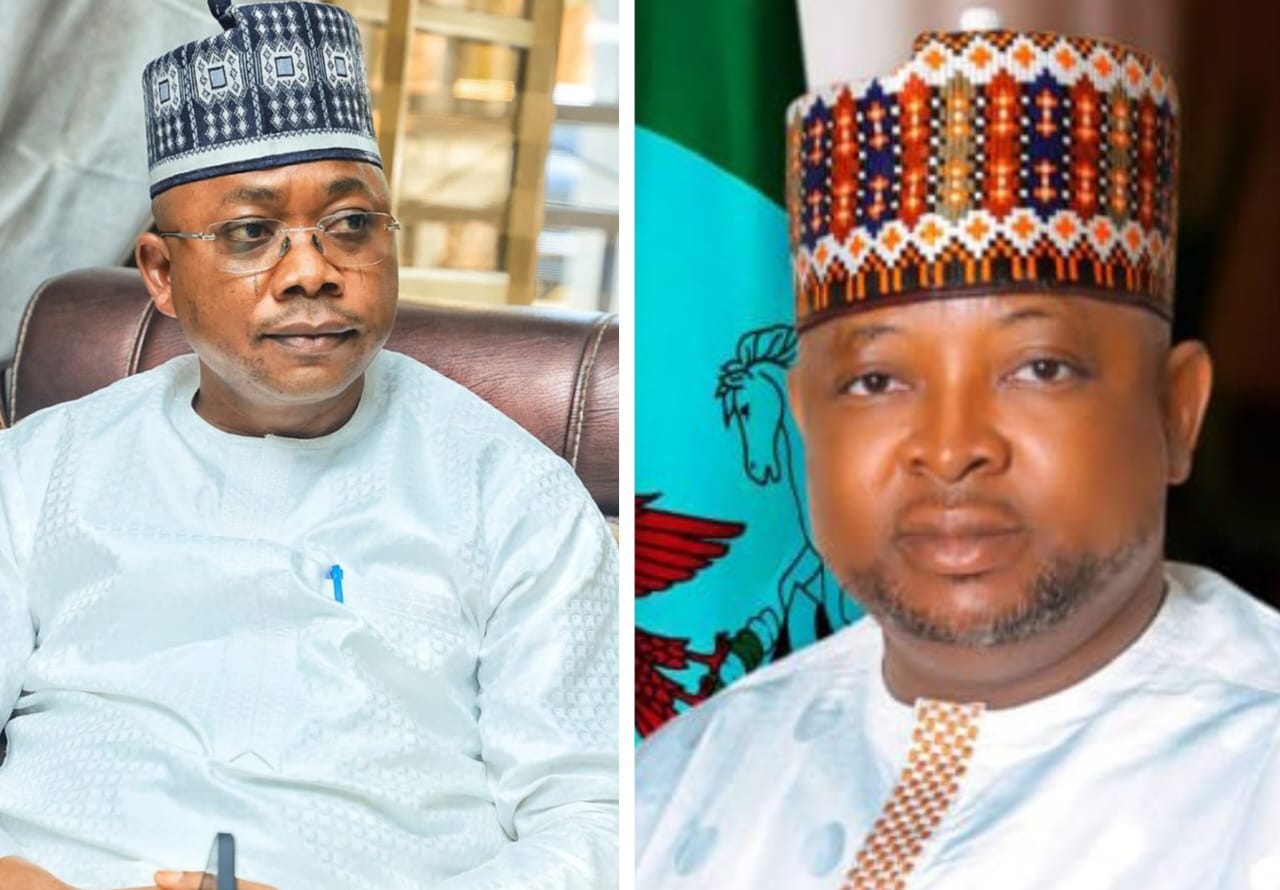
Under the administration of Governor Ahmed Usman Ododo and the leadership of the agency’s General Manager, Mallam Momoh Dauda, KG-CSDA has expanded its interventions in critical sectors including water and sanitation, healthcare, education, erosion control, and economic support programmes.
A stakeholder in one of the benefiting communities said the agency has succeeded in bringing government presence closer to ordinary people in rural areas.
“The agency has demonstrated capacity and effectiveness. Many communities that previously lacked basic amenities are now benefiting from projects that directly address their immediate needs,” the stakeholder said.
According to available records, the agency implemented about 520 micro-projects between 2009 and 2023 across various sectors including education, healthcare, and water supply.
Further reports indicated that between 2024 and 2025 alone, the agency delivered an additional 233 micro-projects under the NG-CARES programme in 97 rural communities and among eight vulnerable groups across the state.
The projects reportedly included 98 interventions in water and sanitation, 68 health-related projects, 64 educational support initiatives, two nutrition-focused interventions, and one flood and erosion control project, collectively benefiting an estimated population of over 557,000 residents.
Several communities across Ankpa, Kabba/Bunu, Mopa-Muro, Ofu, and other local government areas were listed among beneficiaries of the interventions.
Communities such as Enjema in Ankpa Local Government Area reportedly benefited from a motorized borehole and renovation of an administrative block, while several communities in Mopa-Muro and Ofu local government areas received water, healthcare, and livelihood support projects.
Widow support groups and vulnerable persons in communities including Agassa and Ojochegbe also reportedly benefited from grants and empowerment programmes aimed at improving economic stability and social welfare.
Community leaders noted that the agency’s interventions have significantly improved living conditions in many rural settlements where access to schools, healthcare facilities, and clean water was previously limited.
Beneficiaries also described the projects as practical and impactful, adding that many communities are already requesting additional interventions due to the visible improvements recorded.
Despite the successes, stakeholders expressed concern over funding limitations affecting the agency’s ability to expand operations across more communities.
Many called on the Kogi State Government to provide increased and direct funding support to enable the agency scale up its activities without overreliance on external funding sources.
Observers believe the agency’s growing track record places it among the key institutions driving grassroots development under the current administration.
They maintained that with stronger institutional backing and improved financial support, KG-CSDA could significantly accelerate rural development and improve living standards across Kogi State.
Kogi CSDA, Ahmed Usman Ododo, Rural Development, Kogi Communities, NG-CARES Programme, Community Projects, Momoh Dauda, Kogi State Development, Grassroots Development, Water Projects, Healthcare Infrastructure, Education Support, Community Empowerment, Kogi News, KogiOnline.ng,
The agency has tried a lot & many communities including Aingidi Ofinran at Okedisin in Yagbaland.
We are grateful especially in the area of water supply.
Thank you governor Ododo and the entire management of KGCSDA/NG-CARES
The agency has tried alot.
Many communities have benefitted from the agency in the areas of of clinic and borehole projects.
Example is the construction of Aigidi Ofinran Clinic at Okedisin & the borehole project located at Alapinni
Good works of KCSDA are well known